Debbie Grattan Voiceover Branding Logo
  • HOME
  • DEMOS
  • ABOUT
    • BIO
    • RECENT PROJECTS
    • TESTIMONIALS
    • CLIENTS
    • WHY HIRE DEBBIE
    • STUDIO SPECS
    • RESOURCES
  • SERVICES
    • SERVICES
    • COMMERCIALS
      • COMMERCIALS
      • HEALTH & MEDICAL
      • AUTOMOTIVE
      • BUSINESS & CONSUMER
      • CHILDREN’S PRODUCTS
      • POLITICAL
      • INFOMERCIALS
      • RADIO SPOTS
    • NARRATION
      • NARRATION
      • CORPORATE VIDEOS
      • HEALTH & MEDICAL
      • TECHNICAL
      • E-LEARNING
      • WEB VIDEOS
      • EXPLAINER VIDEO
      • TRAVEL & LEISURE
    • INFOMERCIALS
      • INFOMERCIALS
      • CHILDREN’S TOY
      • BEAUTY AND COSMETIC
      • HEALTH, FITNESS & OTHER
    • CHARACTERS
      • CHARACTERS
      • ANIMATION VOICE OVER
      • ACCENTS & DIALECTS
      • ON-CAMERA ACTING
      • CHILD TEEN VOICEOVER
    • PHONE RELATED
  • BLOG
  • CONTACT
    • CONTACT DEBBIE
    • REQUEST A QUOTE
    • REQUEST AN AUDITION

VERSATILE

EXPERIENCED

PROFESSIONAL

1-866-DGVOPRO

For Voice Over Clients

Can You Spot the 14 Voice-Over Mistakes Waiting to Happen?

April 15, 2017 by Debbie Grattan

Can you spot the 14 voice-over mistakes waiting to happen?

Your script is written and ready to go. It’s short, straightforward, and simple. It doesn’t contain anything about complicated medical procedures, highly technical computer jargon, or words that have been translated from a different language. You’ve hired a professional voice-over talent to record it, and have about one hour to deliver the finished recording to your boss. No problem, right? Not so fast. There could be plenty of voice over mistakes brewing in even the simplest-looking scripts if the copy is not carefully reviewed to ensure the voice-over actor knows exactly what you want. And we’re not just talking about directions on tone, emphasis, and style. We’re talking about a host of issues within standard copy that could turn a quick VO project into a long and arduous ordeal.

To illustrate the point, I created a seemingly simple script of exactly four sentences – that’s actually not so simple at all. The script is packed with 14 potential mistakes just waiting to happen if the voice-over talent isn’t given a heads up on specific preferences the client desires.

Review This Sample VO Script – Do You See Any Problems Brewing?

Well, folks, we will be having our annual party to celebrate yet another successful completion of our animal/plant life data project! Invites will go out ASAP, and this year’s topic is the effects of caramel on animal/plant life. Neither appeared to mind the gooey substance. Researcher Sinead Linux looked at data from 1996 to 2016 and found a total of 592 different benefits caramel brings to plants/animals (i.e. it prompts growth).

Avoid These Potential Voice Over Mistakes

Voiceover Script Mistakes Create Confusion for the Voice Talent

Mistake No. 1 – “We will”

While the copy uses “we will,” the copy also kicks off with a very casual opening. An experienced voice-over artist may be inclined to keep the casual vibe alive by changing “we will” to “we’ll” for a smoother, more conversational flow.

Avoid the issue: Use contractions if you want a friendlier, more casual copy. Don’t use contractions if you want a more formal tone. Make sure your choice, however, is consistent with the rest of the copy’s tone.

Mistake No. 2 – “Animal/plant life”

Voice-over artists have numerous ways to interpret slashes, and chances are high they’re not going to pick the exact way you want it unless you prep them in advance. This particular slashed phrase could be read as:

  • Animal and plant life
  • Animal or plant life
  • Animal and or plant life
  • Animal (pause) plant life

Avoid the issue: Skip slashes in VO copy, spelling out what you want said instead.

Mistake No. 3 – “Data”

Do you want data pronounced “DAY-tuh” or “DA-tuh?” The VO actor has a 50/50 chance of getting it right. (Make that fifty fifty! See mistake number 2)

Avoid the issue: Words that have multiple pronunciation options should include the preferred pronunciation within the copy.

Help voice over talents with exact pronunciation

Mistake No. 4 – “Use of bold or ALL CAPS”

You put the invitation information in bold as a reminder to yourself to put it on your to-do list. But the voice-over artist read the information with massive emphasis. That’s not what you wanted!

Avoid the issue: Only bold copy or use ALL CAPS if you want voice-over talent to put a big emphasis on the bolded words or phrases.

Mistake No. 5 – “ASAP”

You wanted the VO actor to say “as soon as possible,” but he said “AY-SAP” instead.

Avoid the issue: Indicate within the copy how all acronyms should be pronounced.

Mistake No. 6- “Caramel”

Who says “car-mel,” making the word two syllables? Your VO artist, that’s who – even though you wanted the three syllable pronunciation of “car-a-mel.”

Avoid the issue: Indicate your preferred pronunciation of words that may have regional or alternate pronunciations across the country.

Mistake No. 7 – “Neither”

“NEE-ther” or “NIGH-ther?” Go back four steps to Mistake No. 3. Also, check out the Cambridge Dictionary and listen to British English and American English recordings of how words should be pronounced.

Clear enunciation directions for voiceover talent saves time and money

Mistake No. 8 and 9 – “Sinead Linux”

Names can be incredibly tricky to pronounce, especially those that are less common than the straightforward John Doe.

Avoid the issue: Include the pronunciation of any name that’s not as straightforward as John Doe. In this case, your copy could have read: “Sinead (Shin ADE) Linux (LEE necks).”

Mistake No. 10 – “1995 to 2016”

Nineteen-ninety-five is pretty straightforward. Unless, of course, you wanted it pronounced nineteen hundred ninety-five. Or nineteen hundred and ninety-five. The year 2016 also has a handful of variants:

  • Twenty-sixteen
  • Two-oh-sixteen
  • Two thousand sixteen
  • Two thousand and sixteen

Avoid the issue: Spell out in letters how you want numbers pronounced.  This is especially preferred with phone numbers in commercial copy. If you want 2414 to be pronounced twenty four fourteen, write it that way, or as 24-14.

Mistake No. 11 – “592”

Like 2016, the number 592 has at least two possible variations. Five hundred ninety-two vs. five hundred and ninety-two.

Avoid the issue: Same fix as mistake No. 10. Spell out in letters how you want numbers pronounced.  And if there is a decimal point used with your number (i.e. module 12.1 or civil code 345.91) – let your reader know if you need them to say “dot,” or “point,” or something else.

Mistake No. 12 – “Plants/animals”

This one can make for a triple whammy. Not only does it contain the bothersome slash, but it reverses the order of plants and animals from how the words have appeared previously in the text. It also changes the previously used “plant life” to plain ole “plants.”

Good VO actors may notice these inconsistencies and switch it back, putting animals first and changing plants to “plant life.” Or they may not, thinking you may have wanted the words reversed and changed for some reason.

Avoid the issue: You already know to avoid slashes. Do the same with inconsistencies with a thorough proofread of your text.  Don’t assume the VO talent reading your copy will understand what you mean, just because of it’s familiar usage to you.

smart script writing avoids voiceover talent errors

Mistake No. 13 – “i.e.”

How should the VO talent pronounce this? Choices include:

  • Phonetically, as in “eye-eee”
  • In Latin, as in “id est” (pretty unusual, but you never know)
  • The English translation of the Latin, which is “that is to say”
  • The English translation of the Latin e.g., which is “for example” – which is also really what you meant

The Latin abbreviations i.e. and e.g. have two different meanings yet are commonly confused for one another. The former provides more information while the latter provides an example.

Avoid the issue: Clear out the confusion altogether by spelling out what you want said in the copy, omitting abbreviations whenever possible.

Mistake No. 14 – “Use of parentheses”

Parentheses are nearly as annoying as slashes. Do you want the information contained within them read aloud? Or are they just there for additional information?

Avoid the issue: Only use parenthesis in VO copy to indicate a direction, pronunciation or other information that’s not intended to be said aloud.

As you can clearly see, even a short script can turn into a lengthy project with tons of edits, revisions, and do-overs. Avoid the headache by reading all your scripts aloud, with the mindset of a VO artist who is seeing it for the very first time. Clear up anything that raises a question, and you’re likely to clear up the potential for mistakes.

Avoid Costly and Tedious Voice Over Mistakes and Do-Overs

Another way to avoid costly and tedious mistakes is to hire a voice-over pro who knows just the right questions to ask before the recording even begins. With more than 20 years in the industry, I am happy to answer questions or provide a quote for your upcoming project.

For more posts on similar topics, please check out:

“When You Need More Than Just a Voice-Over Actor”

“Voice-Over Narration: Do it Yourself or Pay for a Pro?”

“8 Tips for Directing Voice Over Talent – What You Can Do BEFORE the Session”

Filed Under: For Voice Over Clients Tagged With: voice over career, voice over mistakes

Changes in VO Styles Over the Years: From Big Booming Voice Overs to a More Natural, Conversational Style

February 15, 2017 by Debbie Grattan

Evolution of VO: From Voice-Over Announcer to Real Person

Once upon time, the big thing in voice-overs was that big, booming voice – the very polished, voice-over announcer type, with a strong kind of yelling-at-you delivery and feel. People listened. People purchased. That was simply how sales were made.

As times have changed, so have selling strategies. Most folks are no longer apt to listen to the very polished, big, booming voice – much less believe what it says. People today tend to instead respond to companies that focus on transparency, honesty and being real, with marketing that does the same.

This trend has definitely filtered into the voice-over arena, and has been there for some time. The big, booming voice-over announcer type of sound has been largely replaced with something that’s very casual and real.

So what does this mean?

Is the Big Booming Voice-Over Announcer Style Dead?

For starters, it can certainly mean less work for the announcer types, at least in the lineup of radio and TV spots. In fact, I recently had a discussion with another voice-over talent who has been in the business for more than 40 years. He has a great announcer VO sound, got his start in radio, and used to book two to three sessions a day for decades.

Now he doesn’t book anywhere close to that number. Those voice-over announcer style gigs have become much more sparse and he’s trying to branch out into other areas of voice-over to keep his business afloat.

The Voice-Over Announcer style is still used to grab peoples' attention

Louder, Hard-Sell Voice-Overs Are Still Popular for Selling Cars, Mattresses and in Sports

This is not to say there is absolutely no demand for the big, booming announcer voice. Sports announcers thrive on this type of style, especially when their voice reverberates throughout gymnasiums, colosseums and arenas. The style also remains common in several industries. The automotive industry is a prime example. Car commercials on TV and radio still tend to use the big, boomy, hard-sell approach, as do many furniture and mattress stores.

Here are a couple of examples showcasing two differing announcer reads: One pokes fun at the announcer sound in a conversation with on-camera talent, and the other is the “yelling at you” variety. Both are currently on TV as of this writing.

The announcer-type delivery remains particularly popular for local and regional spots. However, a national spot for any major automobile brand, by contrast, may have a much more polished and subdued delivery.

While the male voice typically makes a good match for the announcer-type, booming voice, I have had my own chance to use it on several occasions.

Below are a couple examples that show some of the range I am asked to provide for auto-related commercials. From a typical soft-sell voice-over announcer style that I use for a Ford Dealership, to a more sultry conversational style on a Harley-Davidson dealer commercial. Check out many more samples of other styles on my Automotive Commercials page.

On Being a Voice at the Happiest Place on Earth

One of my more memorable voice-over announcer opportunities was as the original in-the-park announcer for Disney’s California Adventure when it opened in 2001. I was living in Southern California at the time, so the commute was much shorter than it would be if I were traveling from my current home in Michigan.

When the park opened, I was there in person making the announcement for the company president, dignitaries and all other attendees at the ribbon-cutting ceremony. My voice was broadcast over the park’s public address system, in between my pre-recorded announcements welcoming guests, weather contingencies and starting time of the parade.

Over the next few years, I really enjoyed being the “voice of the park” and having friends and relatives ask me if that was my voice they heard while waiting in line for a ride.

Here’s a short clip I was able to dig up from a special event announcer gig at the Disney Park in California. I think this may have been a New Year’s Eve event.

Sending Dreams & Wishes Into the Future
https://www.debbiegrattan.com/wp-content/uploads/2017/04/Sending-Dreams-Wishes-Into-the-Future.mp3

To succeed with the announcer-type voice, it’s imperative to get into the announcer-type mode. As with all voice-over work, you  have to really know your audience and speak to them. Announcer-type deliveries must be clear, enunciated and perfectly pronounced. In the case of speaking to the crowd at a Disney theme park, the delivery also required enthusiasm, smile and warmth – since they were, of course, at the “happiest place on earth.”

The biggest challenge for voice-over announcer can be believability

Both VO Styles Have Their Challenges

While the announcer-type style and the casual conversation style may seem as if they’re on opposite sides of the spectrum, they do share a common challenge. In both cases, the overall goal is to be believable.

  • As big and booming as an announcer-type voice may be, it still needs some degree of warmth and humanity so it doesn’t totally turn off the listener. The delivery requires an element that characterizes the information as important, and as something the audience wants to listen to.
  • The casual, real-person read also needs to be believable. It has to sound like a real conversation someone is having with her girlfriend at Starbucks about a place to get a bank loan, or with her aging mother about an assisted living facility (click to listen to some of my conversational demo samples).Here is where voice acting comes into play, with the voice-over artist entering the reality of the moment and actually being that person in that particular situation.  Underplaying these types of conversations, and making them believable can be one of the hardest things for a VO artist to successfully accomplish, especially from just words on the page.  That’s where the “talent” part comes in.  But it’s still got to have vocal energy, billboard client names, come in under 30 seconds, and all the other things that are important in advertising. It’s a tricky road to navigate sometimes.Some modern spots tend toward the snarky and sarcastic, featuring the befuddled mom, frustrated worker or similar roles. The trend is to create a situation of frustration, present the problem – and then solve it with the for-sale-now solution within 30 seconds, and make it all sound perfectly natural and believable. Visit my voice over demos page to hear examples of these kinds of styles.The greatest challenge in these cases may be taking the copy that someone else wrote and truly making it your own. The words need to feel like they came from your own heart, instead of a script sitting in front of you. It seems easy. But of course, that’s why you hire a professional to do the work; since it’s their business to make something quite challenging look easy.Both announcer and conversational voice-over styles still have their places in the world, and no matter how easy and straightforward either voice-over style may seem, both the larger-than-life- announcer and the “real person” require insight, experience, and just the right read to provide the most effective results.Whether you’re looking for an announcer-style or more conversational tone, I would love to help you with your project. Please contact me today for a complimentary voice over quote or custom audition.You may also enjoy reading these posts on similar topics:“When You Need More Than Just a Voice-Over Actor”“6 Reasons People Trust a Female Voice Over Male Voices”

    “Voice-Over Narration: Do It Yourself or Pay for a Pro?”

Filed Under: For Voice Over Clients Tagged With: Featured Commercial, voice over style

When You Need More Than Just a Voice-Over Actor

January 15, 2017 by Debbie Grattan

When you need more than just a voice-over actor

Some seekers of voiceover talent may say they’re looking for a voice-over actor. But what they really need or expect may be someone who is much more than just a voice-over actor. It’s someone who can do double or even triple duty.  In addition to playing a variety of roles in front of the microphone, professional voice-over actors often have plenty of opportunities to don a number of hats behind the scenes as well.

No, we don’t usually wash windows. But we do take on the roles of director, editor, writer, consultant – and in some cases I can even start to feel like an English teacher fixing up grammar and smoothing out vocabulary.

While these duties may not be part of a particular voice over acting job description per se, they tend to come with the territory when you’ve worked in the business long enough, especially when running your own business as a voice-over actor / entrepreneur. And they’re particularly common when you’re working with clients who are new to the scene or inexperienced with live recording sessions and the full scope of what voice-over work entails.

Many clients won’t even realize they need more than just a voice over actor for their project when contacting me for assistance. An experienced professional VO actor will be able to understand some things the client does not know, and will ask questions and offer solutions to situations that the client may be oblivious to until partway down the road of hiring talent.  It’s definitely something clients should keep in mind when they’re seeking out talent; being careful to choose someone with experience who can handle all the extras the job may entail.

Your Voice-Over Actor May Also Need to Be a Director

More Than Just a Voice-Over Actor = DirectorIn a voice-over session, the director is responsible for ensuring the session goes smoothly and the results mesh with the perfect sound the client is looking for.  Even when I’m connecting my studio to another professional recording studio somewhere on the planet, (via ISDN, Skype, phone patch, Source Connect, ipDTL)  and collaborating with the “creative team” on the line, (which could include the audio engineer, production personnel, writers, and the end client, among others)  the studio engineer may act mostly as a conduit, leaving the creative team to perform the duty of directing the talent.

And at other times during a live phone patch session, I’m dealing with just one person, maybe the business owner, end client, or even video production manager, who may not be exactly sure what sound they want, and is expecting me to put on my director hat, and use my professional VO experience to interpret the copy as I see best. A voiceover actor can step in here, and I frequently do, by self-directing my own read and delivering a number of options that could work for the audience and script. After asking the client what they desire for the read during the session, I will parrot back to them what I’m hearing in their direction, and  I may offer several different takes, each with a slightly different tone and feel.

This kind of self-direction always happens when we haven’t scheduled a live phone patch or ISDN session, and I am just emailed a script and expected to deliver final audio.  In this instance, I use my best judgement in understanding what is needed for the vocal tone of the script, and may offer a couple of options as a sample for audio approval before proceeding with recording and editing the entire script.

In some cases, clients not only need help with the overall sound of the voice, but with the entire structure of the recording session. Do they want to record the whole script in one full take, record it in steps, or record a series of lines a few different ways (ABC series) and then review and adjust? It’s not all that uncommon to have to walk some clients through the entire process.

On the flipside, clients who conduct sessions all the time have the process down pat. They detail exactly what they want, how they want it, and provide helpful direction along the way.

Directing skills definitely come from experience in the industry, as evidenced by long-time VO talent and clients who have directed sessions numerous times and know how to get the best results out of each and every one of them. 

pro voice-over actors are usually skilled at editing and writing copy

Editor or Writer

A voice over actor’s editing duties include putting any final touches on the recording before delivery. But they sometimes start way before that point by editing or rewriting portions of the script.

Sometimes a piece of commercial voiceover copy just doesn’t fit, requiring words or entire sentences to be taken out and reworked into the script. And sometimes this needs to happen when the recording is already in session, with edits and reworking happening on the fly. You’d think copy writers and directors would time their copy, either with a stopwatch, or even by word count, to understand what can fit in 30 or 60 seconds, but often, this is not the case.  Enough practice at this dilemma has given me a good handle on the word-editing process, ensuring we don’t have to cancel the session and re-book, just for copy changes to the script.

Another time editing and writing skills come into play is when the script is written by someone whose first language is not English. Certain words, incorrect verb tenses or other issues will be apparent in the script, and is something that’s usually fairly straightforward to fix while we’re moving through it. This is definitely where the English teacher part comes in.

While I haven’t been trained as an English teacher, my acting and communication experience has played a huge role in helping me with the editing and writing duties that come up. Strong writing and language skills likewise help me communicate with people not only during a live recording session, but also through email or over the telephone.

Communication skills are essential for running any business in general, and for the VO industry in particular.

pro voice-over actors are usually also skilled at editing and writing copy

An Experienced Consultant

Consultants get to provide insight, input and guidance about the voice-over project at hand, and there can be several areas that could use a little guidance. One area is the audio format type for the final recording; a question that can leave some clients baffled. If I can’t determine what audio format they need, (wav, mp3, ulaw, personal specs) I send them over to the company’s in-house production team or IT or IP person for guidance within their system.

Consulting on scripts is often related to the length, especially with outbound messages for phone scripts or short commercial spots. Some clients may not realize there is only so much copy that can fit into a 30-second spot – and the ear and mind can only take in so much information before the listener shuts down and simply won’t remember any of it.

Instead of outlining every single detail about a product, I can help clients boil it down to the most important points to mention during that 30-second ad or outbound phone message.

One more essential role voice over actors are always playing is that of student. New things pop up all the time, especially in the realm of technology. Experienced VO talent will not be afraid to learn new things – even when those things can initially seem like a real pain – as technology is constantly evolving to ultimately make our lives easier (so they say).

Making the clients’ life easier is the overall aim of any seasoned voice over actor, and most of us will have no problem playing the roles of director, editor, writer and consultant to ensure exactly that. If you’d like me to help you with one of your upcoming projects, please contact me for a voice-over services quote, custom audition or to discuss what you need.

You may also like to read the following related articles:

“A Client’s Guide to Selecting the Right Voice-Over Talent”

“6 Reasons People Trust a Female Voice Over Male Voices”

“Are You Getting Remarkable Voice-Over Service?”

Filed Under: For Voice Over Clients Tagged With: Featured Character, female voice over actor, voice over actor

Looking for Free Voice-Over Talent? Here’s Why You Shouldn’t

December 20, 2016 by Debbie Grattan

Looking for Free Voice-Over Talent? Here's Why You Shouldn’t

While the concept of “free” anything is often attractive, when it comes to using free voice-over talent, the downside risks will usually far outweigh the upside cost savings.

Head into a store, any store, and bring your selected item up to the cashier. Then tell him or her you’d like to have this particular item for free, with the promise of coming back to purchase loads and loads of additional items in the future.

Think the cashiers will go for it?

Not if they want to keep their job.

In fact, you may be lucky if you get out of the store without a personal security guard escort.

But this very scenario happens all the time in creative industries, particularly in the voice-over world. Asking VO talent to work for free is a ridiculous request in the world of business. It hurts their business for obvious reasons, but it can also hurt yours. Still, some companies still ask for it, and some VO actors still oblige.

Why Free Voice-Over Talent May Agree to Work for Nothing

Finding free voice-over talent may be easier than you think, especially with increased competition popping up in every corner of the internet. But you need to be wary of those who agree to performing work at no cost, as not all the reasons for accepting such work may promise exceptional – or even usable – results.

free voice-over talent can be very inexperienced

The talent is new or inexperienced.

Nabbing that first voice-over job can be tough. But nabbing that first free voice-over talent gig can be relatively easy. Even if the new voice-over actor has talent, it may be rather raw.  And inexperience in the business may leave the final product in a state of incompleteness, or worse. Hiring a full-time pro VO talent from the get-go can save your company time, money and headaches in the long-run. It can also ensure you get the job right the first time.

The talent believes the promises of more work to come.

Even if your company has the honest intent of providing more work for the person if the first freebie is a goody, there is usually nothing binding you to make the promise come true. And if you really look at the deal from the talent’s point of view, additional work from a company that is too cheap to even pay for the first job may not be such a good deal after all.

The talent wants exposure, professional samples.

This reason is not all that horrible, as it’s always a good move to stock a voice-over portfolio with stellar samples of your work. But it also uses the project as a training ground, and if the voice-over talent is providing their contribution to the project at no cost, it can make you wonder how highly other aspects of the project are valued. This could result in a decidedly less-than-stellar sample out of the gig.

The talent thinks that’s the way the industry works.

Yes, even in this age of information, many remain uninformed on the basics of the voice-over industry. Attention clients and talent alike: working for free is NOT how the industry works. Anyone who tells you differently may also have a bridge to sell you in Brooklyn.

Using free voice-over talent can hurt your business

How It Can Hurt Your Business

If you’re not yet convinced that asking voice-over talent to work for free is not the best route to take for your business, a few more reasons may do the trick.

You get what you pay for.

This adage holds true all across the board. Cheaper services can often mean cheaper results. And you can’t get much cheaper than free. It simply doesn’t make sense to cheapen your marketing or video efforts with a free voice-over talent added to the mix.

You can earn a reputation as a cheapskate.

Once your company is known for offering low-cost or no-cost gigs, a cheapskate reputation can be hard to shake. Even if you up the ante in the future and start paying fair rates for professional services, your name may already be tainted enough for talent to view you with suspicion or avoid you altogether.

You can end paying more in the long run.

A free recording technically costs you absolutely nothing, at least in theory. But in reality you must account for the possibility of multiple do-overs as well as the editing, training and babysitting you may have to provide.

An anecdotal case in point comes from a friend who owns an event planning firm. She’s frequently had to clean up after her unpaid staffers by retracing their missteps, correcting their mistakes and apologizing to business partners they’ve alienated.

She notes it’s easier to hire one decently paid person who knows what she’s doing than deal with nine unpaid people who can make things difficult.

And no matter how many unpaid voice-over actors you may go through, results may still fall flat. Then you have to add in the time, effort and additional resources it takes to seek out and hire an experienced, versatile, professional voice-over talent who would have done it right in the first place.

hiring free voice-over talent can lead to bad karma

Your company can end up with lots of bad karma.

Finagling free work out of people is an unethical practice that can even be illegal in certain situations. While voice-over actors can often be legally classified as independent contractors that exempt you from federal and state labor and wage regulations, the definition of independent contractor is a hazy one.

And karma does tend to come around. You may not notice the negative effects right away, but you can rest assured they’ll be on their way.

While the karma idea may sound philosophical, it also contains a major dose of common sense. Bad karma can create a massive drag on your profits:

  • Abuse customers and they’ll flee as soon as they find a competitive deal
  • Abuse employees and they’ll jump ship as soon as they can get another job (while the really talented folks will avoid you entirely)
  • Abuse the community and you’ll end up with protests, boycotts and court cases
  • Abuse the law and you’ll end up getting caught and punished, no matter how long it takes

It’s tough to be profitable when you’re stuck with fleeing customers, disgruntled employees seeking escape, boycotts and court cases, and monetary penalties or prison time.

One final reason to steer clear of free voice-over talent was mentioned by voice actor and audio producer Chris Mezzolesta. He pointed to the extraordinary feeling you get when you create something fantastic and watch it come to life with an equally fantastic voice-over talent, a creative partner that knows his or her job.  Finding that kind of creative partnership with someone with no real stake in the game may not even be possible.

Remember, the voice of the actor is the voice of your business. Treating the talent well will not only make you sound better, but feel better for the long haul.

If you are in need of quality voice-over services at very fair prices, please contact me today for a free voice-over quote or custom audition. Or give me a call and we can discuss the details of your project.

You might also enjoy reading these related articles:

“A Client’s Guide to Selecting the Right Voice-Over Talent”

“Five Reasons to be Wary of Cheap Voice-Overs”

“The Downside and Dark Side of Hiring Voice-Over Talent on Fiverr”

Filed Under: For Voice Over Clients Tagged With: Featured Phone Related, free voice over, voice over price

6 Reasons People Trust a Female Voice Over Male Voices

September 22, 2016 by Debbie Grattan

Why People Trust a Female Voice Over Male Voices

The question of hiring a female voice over talent vs. a male voice over talent has pretty much joined the ranks of other age-old debates. The topic has been covered by many, myself included (“Exploring the Decision to Hire Male vs. Female Voice-Over Talent”).

Despite the numerous discussions on the topic over the years, I felt there was still one angle that deserved a more intense look: the proven reasons behind the fact that people tend to trust female voices over male voices.

While my past blog touched briefly on the point, I wanted to more deeply explore why female voices tend to instill trust in the audience that can lead to a trust in a company, service or product and, ultimately, the buy. Here’s what I found.

voice-over pitch and inflexion

Pitch and Inflection

To illustrate how quickly people determine if they can trust someone, University of Glasgow psychologist Phil McAleer ran an experiment. He recorded a batch of 64 men and women speaking, then had 320 participants listen to only the word “Hello” from the 64 voices.

The results? Female voices were deemed the most trustworthy for two main reasons.

  • Pitch: The higher pitch of the female voice instilled more confidence in listeners than the lower-pitched male. One super-low-pitched male voice was overwhelming voted the least trustworthy of all.
  • Inflection: Female voices that dropped at the end of a word or phrase indicated a degree of certainty, something that made people automatically trust them.

soothing

Soothing and Comforting Nature

A recent Harris Interactive poll found 46 percent of participants ranked female voices more soothing than male voices. Soothing voices can make people feel comfortable, and when people feel comfortable, they’re more inclined to trust.

clear, more melodic voiceovers

Clearer, More Melodic

The clear, melodic nature of the female voice can also play a role in the trust it instills, as can the fact that female and male voices are processed in different parts of the brain. A University of Sheffield study found female voices are processed in the auditory region of the brain, the same area that processes music. Male voices are processed in the back of the brain in an area known as the “mind’s eye.”

The size and shape of the larynx and vocal cords between women and men make female voices more complex, yet still more easily “decoded” or understood. One interesting tidbit that underscores a female voice’s complexity is the fact that most auditory hallucinations contain a male voice. Study co-author Michael Hunter notes auditory hallucinations are thought to be caused by spontaneous brain activation, and it’s much tougher for the brain to mimic a female voice than a male one.

are brains developed to prefer female voiceovers?

Are Our Brains Developed to Prefer a Female Voice?

Take any group of listeners, and you’ll find it may not be all that difficult to find a experiment. Finding a male voice everyone likes, however, can be a real challenge. Stanford University Professor Clifford Nass noted this fact, while pointing out the human brain is actually developed to like female voices.

Studies have found this preference can be traced as far back as the womb, where unborn babies reacted to the sound of their mother’s voice. They didn’t react to other women’s voices, nor did they react to their father’s voice.

female voiceovers perceived as helping, not commanding

Perceived as Helping, Not Commanding

If you haven’t already noticed, most digital assistants and navigation systems incorporate a female voice in their technology. Alexa, Siri, Cortana and the voice of Ooma are four immediate examples that come to mind. While there are several reasons female voices outweigh male voices for technological gadgets, one pointed out by Nass was particularly enlightening.

While people enjoy using technology to help them out, they also still want to feel as if they have some control in the process. Female voices tend to do just that, making the user feel as if the technology is helping them solve their problems.

Male voices, on the other hand, are perceived as commanding them what to do. The same mindset can apply to trusting the female voice to help you select the best product or service, rather than the male voice that simply commands you to buy it.

female voiceovers more trusted

Females Are More Trusted in Person Too

It makes sense people would be more inclined to trust a female voice since they’re more inclined to trust a female in person. A management survey found this applied to CEOs, while business author Vanessa Hall found it to also be true for sales people. People are more inclined to trust, and follow, women CEOs over male CEOs. They are also more inclined to buy from those they trust, and they trust women sales people over their male colleagues.

Here the trust goes beyond just how women sound, but how they tend to act in a business environment. While male CEOs are often out for only the bottom line, women are more inclined to have more balance in their decision-making. They’ll consider the bottom line, sure, but they’ll also consider the impact of decisions on stakeholders, employees and the company as a whole.

Hall also points out that female leaders possess a more intuitive response to trust, along with an openness to change.

A study published in Harvard Business Review found women leaders ranked higher than men in 17 out of 19 categories that ranged from taking initiative to building relationships. The only categories where men ranked higher were technical or professional expertise and developing strategic perspective.

The higher-scoring leadership categories may also play a role in people’s readiness to trust a female voice.

All this doesn’t mean, of course, that a female voice-over talent is ALWAYS the ideal pick for your specific message, company or project. But it does mean you have at least six intriguing facts to consider when choosing between a male and female voice.

Whether it be for a radio or tv commercial, corporate narration or simple phone messaging system, you’ll want to give some consideration to these facts and information before deciding on which gender to choose for your project.

And, if you ultimately decide you want a female voice talent for your project, please give me a call or contact me online so we can talk about the details.

You may also enjoy reading these related posts:

“Exploring the Decision Whether to Hire Male vs. Female Voice-Over Talent”

“Benefits of Hiring a Full-Time Female Voice Over Talent”

“How a Female Voice Over Talent Makes Your Job (as Producer) Much Easier”

Filed Under: For Voice Over Clients Tagged With: Featured Commercial, Featured Infomercials

Is Debbie Grattan the Voice of Ooma?

July 21, 2016 by Debbie Grattan

The Internet can do some pretty strange things. Like, cut out in the middle of your favorite Netflix series. Or send your emails off into cyber nowhere land. Or shuttle search traffic to your voiceover talent website when users search for the “voice of Ooma.”

If you’ve landed here searching for the voice of Ooma, you already know what Ooma is. The small, stand-alone electronic device replaces traditional landline telephones with VoIP, or Internet phone service, with a reportedly lower rate and higher quality.

Based on the number of searches launched for the voice of Ooma, which refers to the voice that comes from the small, stand-alone device in the Ooma ads, it’s clear that the company’s fun and flirty promos have been a monster hit.

While I very much appreciate the extra traffic the voice of Ooma searches have been sending my way, I must clarify that I am not the voice of Ooma – and that’s a GOOD thing for anyone looking to hire a female voice-over talent to record phone messaging. Here’s why.

I’m Not Under a Binding Voice-Over Talent Contract

Phone-related voice-over services are one of Debbie's specialtiesSince the Ooma ads are so widespread and visible, there’s a solid chance the voice-over actor who scored the gig also had to sign a contract with exclusions that limit availability for other similar projects. That means if you did indeed find the voice of Ooma, you might not be able to use her services for your own phone-related recordings or other projects that may be on the exclusions list.

With no exclusive or limiting contracts to a specific communications provider, my availability is open for any and all phone-related services. This includes on-hold messages, interactive voice response (IVR) messages, informational recordings, marketing blasts, and other phone or non-phone-related projects. Depending on your needs, I can often provide a turnaround time of 24 hours or less.

I Don’t Charge Exorbitant Voice-Over Rates

Debbie offers very affordable voice over ratesOnce voice-over talents beef up their resumes with major gigs, you can bet they’ll be beefing up their rates. Although I am not the voice of Ooma, I have had several notable roles and projects over the past 22 years as a professional female voice talent. Yet one of my main aims is to keep my rates affordable and fair for myself and my clients. You can also take advantage of special discount offers and my client loyalty program that rewards clients who repeatedly use my services.

I Can Provide a Unique Voice for Your Unique Company

Providing unique voice-overs for unique company needsWhile the voice of Ooma may be great for Ooma, your company deserves a specific voice that’s as unique as you are. You can still keep the same friendly demeanor the Ooma box emits, but you can fine-tune the details to best fit your specific brand. After all, if every company looking for a voice-over talent to record their phone-related projects ended up with the voice of Ooma, the voice would go from marvelous to mundane in a millisecond.

I Can Go Beyond the Flirty and Fun

a voiceover for all types of businessesOoma’s flirty, fun, and friendly tone is fine, but it may not be the tone and style your company needs. It would be tough picturing the voice of Ooma doing a serious phone voice for a law firm or doctor’s office, for instance. Or perhaps your company requires a voice-over actor who can deliver a very specific accent, cater to a very specific target audience, or explain very specific information in a no-nonsense yet compelling way. I may not be the voice of Ooma, but I do have all the other points covered.


And Way Beyond the Straight-Up Voicemail Recording

Voice-overs, to me, are far more than simply reading words off a page. My professional acting background has given me the ability to actually become virtually any given character, while my more than two decades of voice-over experience makes it easy for me to help with script editing and direction as needed. If you’re unsure how a script should be read, I can give you ideas and variations – on the spot – ensuring each session flows as smoothly and efficiently as possible.

get outside-the-box voice over service

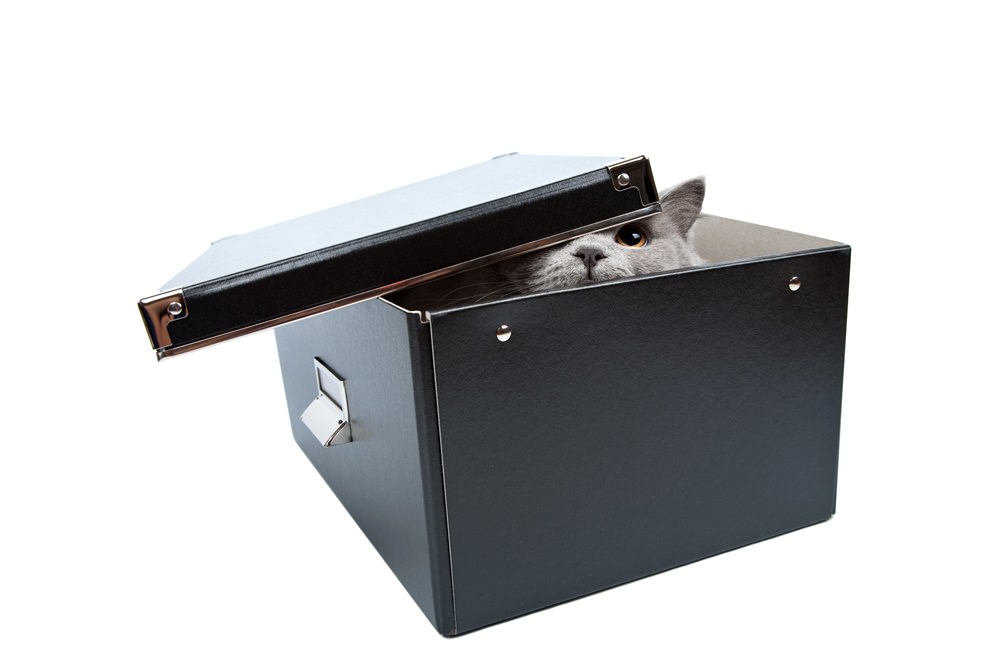
I Don’t Live in a Box

Perhaps the greatest benefit of not being the voice of Ooma is not being forced to live in a little black Ooma box. I instead enjoy recording my sessions at my fully equipped home studio, outfitted with everything from a high-end microphone to editing software and a phone patch that lets you sit in on the recording in real-time.

Yes, we know the voice of Ooma doesn’t really live in the Ooma box. We also know the device doesn’t really talk except in the fun and flirty commercials. And now you additionally know why it’s good to not to limit yourself to the voice of Ooma when it comes to hiring a female voice-over talent to deliver exactly what you need.

Filed Under: For Voice Over Clients Tagged With: Featured Phone Related

  • « Go to Previous Page
  • Page 1
  • Interim pages omitted …
  • Page 15
  • Page 16
  • Page 17
  • Page 18
  • Page 19
  • Interim pages omitted …
  • Page 25
  • Go to Next Page »

Primary Sidebar

"*" indicates required fields

This field is for validation purposes and should be left unchanged.

Bring Debbie the details of your next commercial, narration, phone system recording or other voiceover project. Receive a detailed quote, custom audition, and the ultimate in voice quality.

CONTACT ME

REQUEST A DETAILED QUOTE
REQUEST AN AUDITION

CATEGORIES

  • For Voice Over Clients (145)
  • For Voice Over Talent (129)
  • Fun Stuff (10)
  • Uncategorized (2)

Search for:

Recent Posts

  • How to Write a Voice Over Script (With Template & Examples)
  • The Ultimate Guide to Remote Voiceover Direction: Tools, Best Practices, and Studio Standards
  • The Role of the Professional Voice Actor in an AI-Generated Media Landscape
  • Here’s the Coolest Pickleball Commercial That I Missed Out On
  • Keep the Awards Coming! VO Projects Win Big in 2025

Recent Blog Posts

  • Here’s the Coolest Pickleball Commercial That I Missed Out On
  • Keep the Awards Coming! VO Projects Win Big in 2025
  • The Impact of Rock Radio Imaging
  • How to Write a Voice Over Script (With Template & Examples)
  • The Ultimate Guide to Remote Voiceover Direction: Tools, Best Practices, and Studio Standards
  • The Role of the Professional Voice Actor in an AI-Generated Media Landscape

1-866-DGVOPRO

Debbie Grattan is a top-rated professional female voice over talent with more than 25 years of experience delivering voice over services worldwide. She regularly records commercial voice overs for radio and tv as well as infomercial voice overs and direct response marketing for children's toys, health, fitness and beauty products. Other specialties include female narration voice overs for corporate narration, web videos, tutorials, explainer videos and technical medical narration. Debbie also provides phone-related voice over services including phone prompts, messages-on-hold and outbound phone marketing for companies in the United States and Canada.

Debbie Grattan Voiceover Talent source-connect
Debbie Grattan Voiceover Talent WoVO

© 2001 - 2026 Debbie Grattan Voiceover Talent | Site Map | Privacy Policy
Website Hosting by UpperLevel Hosting

  • HOME
  • DEMOS
  • ABOUT
  • SERVICES
  • BLOG
  • CONTACT