
Debbie Grattan Voiceover Branding Logo
  • HOME
  • DEMOS
  • ABOUT
    • BIO
    • RECENT PROJECTS
    • TESTIMONIALS
    • CLIENTS
    • WHY HIRE DEBBIE
    • STUDIO SPECS
    • RESOURCES
  • SERVICES
    • SERVICES
    • COMMERCIALS
      • COMMERCIALS
      • HEALTH & MEDICAL
      • AUTOMOTIVE
      • BUSINESS & CONSUMER
      • CHILDREN’S PRODUCTS
      • POLITICAL
      • INFOMERCIALS
      • RADIO SPOTS
    • NARRATION
      • NARRATION
      • CORPORATE VIDEOS
      • HEALTH & MEDICAL
      • TECHNICAL
      • E-LEARNING
      • WEB VIDEOS
      • EXPLAINER VIDEO
      • TRAVEL & LEISURE
    • INFOMERCIALS
      • INFOMERCIALS
      • CHILDREN’S TOY
      • BEAUTY AND COSMETIC
      • HEALTH, FITNESS & OTHER
    • CHARACTERS
      • CHARACTERS
      • ANIMATION VOICE OVER
      • ACCENTS & DIALECTS
      • ON-CAMERA ACTING
      • CHILD TEEN VOICEOVER
    • PHONE RELATED
  • BLOG
  • CONTACT
    • CONTACT DEBBIE
    • REQUEST A QUOTE
    • REQUEST AN AUDITION

VERSATILE

EXPERIENCED

PROFESSIONAL

1-866-DGVOPRO

Debbie Grattan

8 Things You Probably Don’t Know About Halloween

October 25, 2016 by Debbie Grattan

jack o lantern

Halloween is the third-biggest party day, the sixth-most popular card-giving day, and totally beats the pants off Valentine’s Day when it comes to candy sales. This ancient celebration has a history that stretches back some 6,000 years, rich with tradition, ghoulish trivia and plenty of candy corn. Check out some other fun and creepy facts about this howling holiday.

And for my personal take on what I like most about Halloween, you can read “Why Halloween is Special to Me” which also includes a mini photo album of our family’s costumes over the years.

Original jack-o’-lanterns were made from turnips.

Turnips, potatoes and beets were the original vegetables used to make lanterns during the Celtic festival Samhain. The lights from the lanterns were meant to keep creepy spirits away from the house. When Irish immigrants started landing in America, the pumpkin became the lantern veggie of choice. (Jack-o’-lanterns and pumpkin pie actually turned the formerly ignored pumpkin into a booming business, helping to save small American farms.) Incidentally, an estimated 99 percent of all pumpkins sold end up as jack-o’-lanterns for Halloween.

Michael Jackson takes the No. 1 slot.

“Thriller” is the most-played Halloween-themed song in the U.S., according to Billboard, with ratings taken on the week leading up to the holiday. Second place goes to “Monster Mash” by Bobby ‘Boris’ Pickett and the Crypt-Kickers. Ray Parker Jr.’s “Ghostbusters” snags third. 

Charlie Brown got more candy than most kids.

The original 1966 CBS broadcast of “It’s the Great Pumpkin, Charlie Brown,” prompted viewers from across the nation to send candy marked for Charlie himself. “Peanuts” creator Charles M. Schulz said the viewers had been upset that Charlie kept getting rocks instead of candy during the show.

devil costume

Devil’s Night may be a Michigan-only thing.

The ritual of pulling pranks the night before Halloween originated in Detroit, and Michigan is only one of two states that has such a phenomenon. And it’s the only place it’s consistently referred to as “Devil’s Night.” New Jersey’s version is usually called “mischief night,” and folks across the country have called it gate night, goosy night, trick night, cabbage night and devil’s eve.

Michigan itself is trying to get rid of the Devil’s Night stigma that has led to some pretty destructive fires and violence of late, calling it “Angel’s Night” and hoping for the best.

Halloween is most common night for car thefts.

More cars are reported stolen on Halloween than any other holiday, with 2,328 reported cases in 2011. Vehicle vandalism is also high, with an average of 1,253 insurance claims for vehicle vandalism on Halloween night, compared to the 692 claims on an average day.

A few kids actually want chewing gum.

When you’re stocking up for trick-or-treaters, keep in mind that most kids are fans of chocolate candy. Stats say 50 percent want chocolate, 24 percent want non-chocolate candy, and 10 percent actually want gum. It’s not clear what happened to the remaining 16 percent of kids. Maybe they’re apple fans?

dog costume

Bonfires originated as bone fires.

During the Celtic festival of Samhain before Halloween, people lit fires to make sure the sun would come back after the dreary winter. Druid priests would frequently hurl cattle bones into the flames – and the term “bone fire” eventually morphed into bonfire.

Dressing up in scary costumes was a form of self-protection.

The tradition of dressing up as ghosts, ghouls and other scary creatures comes from Celtic tradition during Samhain. Folks would disguise themselves as spirits and demons so they wouldn’t be noticed by the real spirits and demons that roamed the streets. 

SOURCES:

  • http://www.darkshadowghosttours.com/100-halloween-fun-facts.html
  • http://www.mlive.com/news/index.ssf/2013/10/michigan_may_be_only_state_to.html
  • http://www.history.com/topics/halloween/jack-olantern-history
  • http://articles.latimes.com/2009/oct/17/local/me-marina-death17
  • http://www.nbcnews.com/id/9841877/ns/us_news-life/t/corpse-mistaken-halloween-decoration/#.V_6Wo-ArKhd
  • http://www.factretriever.com/halloween-facts
  • http://www.mlive.com/news/index.ssf/2013/10/michigan_may_be_only_state_to.html
  • http://www.pbs.org/newshour/updates/8-things-didnt-know-halloween/

Filed Under: Fun Stuff

6 Reasons People Trust a Female Voice Over Male Voices

September 22, 2016 by Debbie Grattan

Why People Trust a Female Voice Over Male Voices

The question of hiring a female voice over talent vs. a male voice over talent has pretty much joined the ranks of other age-old debates. The topic has been covered by many, myself included (“Exploring the Decision to Hire Male vs. Female Voice-Over Talent”).

Despite the numerous discussions on the topic over the years, I felt there was still one angle that deserved a more intense look: the proven reasons behind the fact that people tend to trust female voices over male voices.

While my past blog touched briefly on the point, I wanted to more deeply explore why female voices tend to instill trust in the audience that can lead to a trust in a company, service or product and, ultimately, the buy. Here’s what I found.

voice-over pitch and inflexion

Pitch and Inflection

To illustrate how quickly people determine if they can trust someone, University of Glasgow psychologist Phil McAleer ran an experiment. He recorded a batch of 64 men and women speaking, then had 320 participants listen to only the word “Hello” from the 64 voices.

The results? Female voices were deemed the most trustworthy for two main reasons.

  • Pitch: The higher pitch of the female voice instilled more confidence in listeners than the lower-pitched male. One super-low-pitched male voice was overwhelming voted the least trustworthy of all.
  • Inflection: Female voices that dropped at the end of a word or phrase indicated a degree of certainty, something that made people automatically trust them.

soothing

Soothing and Comforting Nature

A recent Harris Interactive poll found 46 percent of participants ranked female voices more soothing than male voices. Soothing voices can make people feel comfortable, and when people feel comfortable, they’re more inclined to trust.

clear, more melodic voiceovers

Clearer, More Melodic

The clear, melodic nature of the female voice can also play a role in the trust it instills, as can the fact that female and male voices are processed in different parts of the brain. A University of Sheffield study found female voices are processed in the auditory region of the brain, the same area that processes music. Male voices are processed in the back of the brain in an area known as the “mind’s eye.”

The size and shape of the larynx and vocal cords between women and men make female voices more complex, yet still more easily “decoded” or understood. One interesting tidbit that underscores a female voice’s complexity is the fact that most auditory hallucinations contain a male voice. Study co-author Michael Hunter notes auditory hallucinations are thought to be caused by spontaneous brain activation, and it’s much tougher for the brain to mimic a female voice than a male one.

are brains developed to prefer female voiceovers?

Are Our Brains Developed to Prefer a Female Voice?

Take any group of listeners, and you’ll find it may not be all that difficult to find a experiment. Finding a male voice everyone likes, however, can be a real challenge. Stanford University Professor Clifford Nass noted this fact, while pointing out the human brain is actually developed to like female voices.

Studies have found this preference can be traced as far back as the womb, where unborn babies reacted to the sound of their mother’s voice. They didn’t react to other women’s voices, nor did they react to their father’s voice.

female voiceovers perceived as helping, not commanding

Perceived as Helping, Not Commanding

If you haven’t already noticed, most digital assistants and navigation systems incorporate a female voice in their technology. Alexa, Siri, Cortana and the voice of Ooma are four immediate examples that come to mind. While there are several reasons female voices outweigh male voices for technological gadgets, one pointed out by Nass was particularly enlightening.

While people enjoy using technology to help them out, they also still want to feel as if they have some control in the process. Female voices tend to do just that, making the user feel as if the technology is helping them solve their problems.

Male voices, on the other hand, are perceived as commanding them what to do. The same mindset can apply to trusting the female voice to help you select the best product or service, rather than the male voice that simply commands you to buy it.

female voiceovers more trusted

Females Are More Trusted in Person Too

It makes sense people would be more inclined to trust a female voice since they’re more inclined to trust a female in person. A management survey found this applied to CEOs, while business author Vanessa Hall found it to also be true for sales people. People are more inclined to trust, and follow, women CEOs over male CEOs. They are also more inclined to buy from those they trust, and they trust women sales people over their male colleagues.

Here the trust goes beyond just how women sound, but how they tend to act in a business environment. While male CEOs are often out for only the bottom line, women are more inclined to have more balance in their decision-making. They’ll consider the bottom line, sure, but they’ll also consider the impact of decisions on stakeholders, employees and the company as a whole.

Hall also points out that female leaders possess a more intuitive response to trust, along with an openness to change.

A study published in Harvard Business Review found women leaders ranked higher than men in 17 out of 19 categories that ranged from taking initiative to building relationships. The only categories where men ranked higher were technical or professional expertise and developing strategic perspective.

The higher-scoring leadership categories may also play a role in people’s readiness to trust a female voice.

All this doesn’t mean, of course, that a female voice-over talent is ALWAYS the ideal pick for your specific message, company or project. But it does mean you have at least six intriguing facts to consider when choosing between a male and female voice.

Whether it be for a radio or tv commercial, corporate narration or simple phone messaging system, you’ll want to give some consideration to these facts and information before deciding on which gender to choose for your project.

And, if you ultimately decide you want a female voice talent for your project, please give me a call or contact me online so we can talk about the details.

You may also enjoy reading these related posts:

“Exploring the Decision Whether to Hire Male vs. Female Voice-Over Talent”

“Benefits of Hiring a Full-Time Female Voice Over Talent”

“How a Female Voice Over Talent Makes Your Job (as Producer) Much Easier”

Filed Under: For Voice Over Clients Tagged With: Featured Commercial, Featured Infomercials

Voiceover Talent Alone Won’t Pay the Bills

August 20, 2016 by Debbie Grattan

Voiceover Talent Alone Won't Pay the Bills

Mozart wasn’t born great. And the same holds true for any phenomenal musician, artist, engineer, writer, party clown or voiceover talent you may want to be or hire. While great talent was once thought to be innate, research psychologist Anders Ericsson argues it is something most people can achieve, in just about any area, as long as they’re willing to put in the work required to get it.

He also argues that even if folks are born with great talent in any given field, their talent will amount to nothing unless, again, they put in that hard work. After listening to Ericsson backing up his points in this podcast, I’m inclined to agree. And I can definitely see how the ideas he gleaned from decades of research apply to voiceover talent.

Voiceover Talent Alone Won't Pay the Bills

Talent Alone Won’t Pay the Bills

From the TV show “America’s Got Talent,” to schools that offer gifted and specialized fine arts programs, talent is often hailed as a genetic blessing that doubles as the magic secret to success. Ericsson calls it “grotesquely” overrated.

Here’s where Mozart comes in, as his brilliance was not necessarily built into his genetic code but rather developed from working long, hard and persistently at his music from an early age. Even if he were born with natural musical abilities, if he didn’t back up the abilities with hard work, he’d be foiled time and again by another born with those same abilities who decided to focus on honing them.

The concept can hit especially hard for voiceover talent newcomers who dive into the industry after someone praised them for being a “natural” with inborn talent. Unless they strengthen their abilities with lots of work, training and dedication, that person’s praise is likely to be the only thing they’ll get out of their voiceover career.

My own voice acting background and bio includes a degree in drama; many years of experience on stage, on camera and behind the microphone; additional training under esteemed voiceover mentors and teachers; and more than 22 years actually working in the industry. Such a combination is what can lead to success, in spite of the fact that I was not a child voiceover talent phenom, able to deliver flawless reads at the age of ten.

Voiceover Talent Success Requires Focus

Purposeful Practice 

Practice is another way to sharpen or develop specific skills. But you don’t want to practice anything and everything related to your field just for the heck of it. Ericsson points out the most effective way to go about it is with what he calls purposeful practice, or selecting a single aspect to improve and then working on improving it.

My initial degree was in drama, which gave me a solid scope of acting know-how. But once I realized I wanted to focus on voiceover acting, I had to fine tune my practice throughout the years, to focus on the specific voiceover skills that I wanted to develop.

The same narrow focus can apply to other voiceover talent and voice actors who want to strengthen a particular skill or aspect of their performance. Perhaps they want to work on their timing (for commercial work), their clarity of vocal delivery (for complicated narration or elearning long form) or the pitch or resonance of their voice (for movie trailers and promos). Purposeful practice would involve choosing exercises and training that focus on those specific aspects, and then buckling down until they’ve mastered their weakness.

Deliberate Practice Helps Voiceover Talent Reach Mastery

Deliberate Practice

Even if you engage in purposeful practice focusing on a single aspect you want to improve, you don’t want to dive in without a set goal in mind. Here’s where what Ericsson calls deliberate practice kicks in.

Deliberate practice involves creating well-defined, specific goals, typically working under experts who can help teach you what you want to master. It additionally demands near-maximal effort – and is usually not very enjoyable.

Think of the runner pushing herself daily to break her record time. Imagine the pianist banging out the same score, day after day until he gets it down flawlessly. Perhaps the most concrete example of near-maximal effort comes from the bodybuilder.

Unless bodybuilders push their muscles to the near-maximum limit on a regular basis, no growth or improvements will be made. And unless you’re a fan of sweat, aching fingers and shaking limbs, none of these practice sessions can be referred to as particularly enjoyable.

Deliberate practice in the voiceover talent arena can definitely involve training under voiceover coaches and actors who have both experienced their own success and know how to teach others to achieve the same. Near-maximal effort can involve days or weeks of repeating the same drill, exercise or script until the results are divine and the techniques veritably ingrained in your brain.

Voiceover Talent Need to Challenge Themselves Regularly

Deliberate Practice vs. Experience

Even though deliberate practice typically involves somewhat painful repetition, it is not the same as the repetition of experience. Only the former is designed to help you improve. Ericsson uses doctors as an example here, mentioning that doctors with tons of experience aren’t necessarily consistently getting better unless their experience includes new lessons along the way.

Voiceover talent can also find this to be true if they stick with the exact same type of projects year after year with no desire to alter their output in any way. The end result can be boredom, the feeling of being stuck in a rut, a stale delivery – and being left in the dust by other voiceover actors who choose to keep growing, practicing and improving.

Constant Improvement is Key for Voiceover Talent

Why Voiceover Talent Need to Keep Improving

In addition to becoming bored and stale with any given task, job or career, it’s vital to keep improving if you want to stay in the game. Any game. That’s because the world keeps improving.

We can again go back to Mozart here, noting that his musical abilities would only rank about average today when compared to modern children trained in the Suzuki Method of instrumental teaching. Teaching methods, musical instruments, knowledge and other advancements in the field of music have resulted in the advancement of skills across the board.

The same applies to any field, including the voiceover industry. Advancements in technology, editing programs, hiring processes, training and access to resources have made the field much more crowded than it used to be. Such advancements have also pretty much ensured that only those who put in the extra effort required to stand out in that crowd are inclined to be the ones who meet with success.

Becoming a successful voiceover talent is not magic

Not Magic, but Straightforward Formula

While some people may appear to have been magically propelled to great success, chances are they were in some way, shape or form engaging in the concepts outlined by Ericsson. His straightforward formula for success involves:

  • Hard work (meaning strong effort is required)
  • Purposeful practice
  • Deliberate practice
  • More hard work
  • And then more hard work

And even though the formula for success is pretty straightforward, that doesn’t mean it’s easy. But, for those who make the commitment, it can pay off handsomely with amazing results.

Filed Under: For Voice Over Talent

Is Debbie Grattan the Voice of Ooma?

July 21, 2016 by Debbie Grattan

The Internet can do some pretty strange things. Like, cut out in the middle of your favorite Netflix series. Or send your emails off into cyber nowhere land. Or shuttle search traffic to your voiceover talent website when users search for the “voice of Ooma.”

If you’ve landed here searching for the voice of Ooma, you already know what Ooma is. The small, stand-alone electronic device replaces traditional landline telephones with VoIP, or Internet phone service, with a reportedly lower rate and higher quality.

Based on the number of searches launched for the voice of Ooma, which refers to the voice that comes from the small, stand-alone device in the Ooma ads, it’s clear that the company’s fun and flirty promos have been a monster hit.

While I very much appreciate the extra traffic the voice of Ooma searches have been sending my way, I must clarify that I am not the voice of Ooma – and that’s a GOOD thing for anyone looking to hire a female voice-over talent to record phone messaging. Here’s why.

I’m Not Under a Binding Voice-Over Talent Contract

Phone-related voice-over services are one of Debbie's specialtiesSince the Ooma ads are so widespread and visible, there’s a solid chance the voice-over actor who scored the gig also had to sign a contract with exclusions that limit availability for other similar projects. That means if you did indeed find the voice of Ooma, you might not be able to use her services for your own phone-related recordings or other projects that may be on the exclusions list.

With no exclusive or limiting contracts to a specific communications provider, my availability is open for any and all phone-related services. This includes on-hold messages, interactive voice response (IVR) messages, informational recordings, marketing blasts, and other phone or non-phone-related projects. Depending on your needs, I can often provide a turnaround time of 24 hours or less.

I Don’t Charge Exorbitant Voice-Over Rates

Debbie offers very affordable voice over ratesOnce voice-over talents beef up their resumes with major gigs, you can bet they’ll be beefing up their rates. Although I am not the voice of Ooma, I have had several notable roles and projects over the past 22 years as a professional female voice talent. Yet one of my main aims is to keep my rates affordable and fair for myself and my clients. You can also take advantage of special discount offers and my client loyalty program that rewards clients who repeatedly use my services.

I Can Provide a Unique Voice for Your Unique Company

Providing unique voice-overs for unique company needsWhile the voice of Ooma may be great for Ooma, your company deserves a specific voice that’s as unique as you are. You can still keep the same friendly demeanor the Ooma box emits, but you can fine-tune the details to best fit your specific brand. After all, if every company looking for a voice-over talent to record their phone-related projects ended up with the voice of Ooma, the voice would go from marvelous to mundane in a millisecond.

I Can Go Beyond the Flirty and Fun

a voiceover for all types of businessesOoma’s flirty, fun, and friendly tone is fine, but it may not be the tone and style your company needs. It would be tough picturing the voice of Ooma doing a serious phone voice for a law firm or doctor’s office, for instance. Or perhaps your company requires a voice-over actor who can deliver a very specific accent, cater to a very specific target audience, or explain very specific information in a no-nonsense yet compelling way. I may not be the voice of Ooma, but I do have all the other points covered.
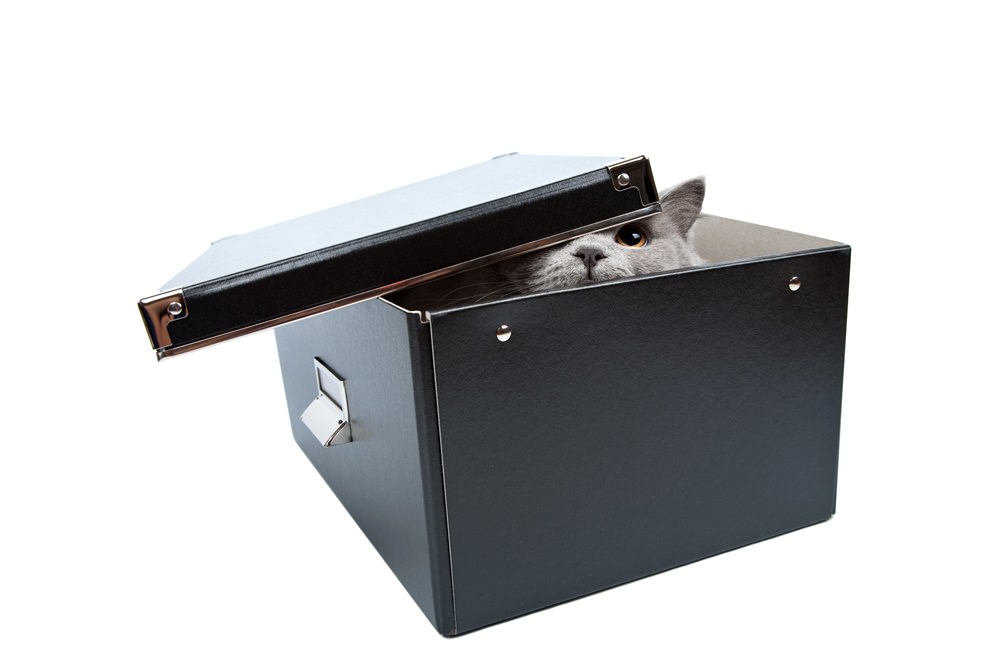


And Way Beyond the Straight-Up Voicemail Recording

Voice-overs, to me, are far more than simply reading words off a page. My professional acting background has given me the ability to actually become virtually any given character, while my more than two decades of voice-over experience makes it easy for me to help with script editing and direction as needed. If you’re unsure how a script should be read, I can give you ideas and variations – on the spot – ensuring each session flows as smoothly and efficiently as possible.

get outside-the-box voice over service

I Don’t Live in a Box

Perhaps the greatest benefit of not being the voice of Ooma is not being forced to live in a little black Ooma box. I instead enjoy recording my sessions at my fully equipped home studio, outfitted with everything from a high-end microphone to editing software and a phone patch that lets you sit in on the recording in real-time.

Yes, we know the voice of Ooma doesn’t really live in the Ooma box. We also know the device doesn’t really talk except in the fun and flirty commercials. And now you additionally know why it’s good to not to limit yourself to the voice of Ooma when it comes to hiring a female voice-over talent to deliver exactly what you need.

Filed Under: For Voice Over Clients Tagged With: Featured Phone Related

5 Reasons to be Wary of Cheap Voice-Overs

June 2, 2016 by Debbie Grattan

Why you need to be wary of cheap voice-over rates

My husband recently took my 11-year-old son to get a new pair of shoes. He just needed some all-purpose, everyday sneakers to wear to school, so they headed to a popular brand name shoe store known for discount prices, hopefully to get a deal around half of what the mall stores would cost. They came home with the same style of shoe that my son had been wearing for the past several months, and they’d gotten a good price for them. We were expecting these to last the rest of the school year and probably partway into the summer.

Fast forward just a few weeks and my husband noticed the bottom of my son’s shoes while he was kicking back on the couch. The treads were already wearing out. Less than a month of wear and tear and they were already looking like they needed replacement. My husband vowed that he would never buy shoes at that retailer again.

The old adage: “You get what you pay for” proven true once again.

When You’re Looking For Value, Don’t Go for Cheap

One of the first things many professionals learn about marketing is to never use the word “cheap.” If you have to say it, better to use words along the lines of “affordable,” “economical,” or “at a savvy price point.” Although cheap can technically mean inexpensive, the word comes with the connotation of being chintzy, inferior or, to put it bluntly, a piece of cr@p.

Yet do a Google search on the term “cheap voiceovers” and you’ll get about 431,000 results – with a handful of ads actually paying to be positioned at the top of what could be considered the chintzy, inferior, doo-doo list.

This is not to say that sometimes cheap voice-overs may be just what a client needs for a short-term, non-essential project. But they’re not something that can typically sustain a company (or the entire voice-over industry) for the long-haul.

Here are the top five reasons why you need to be wary of cheap voiceovers:


Cheap voice-overs require a sacrifice

1. Cheap Voice-overs require you to sacrifice quality or speed (sometimes both).

Right after learning to NOT use the word “cheap,” business professionals often learn about what is sometimes called the “Project Management Triangle.” The triangle features the three points of:

  • Price (Cheap)
  • Service (Fast)
  • Quality (Good)

The generally accepted rule of thumb is that for any given project, you can only have two of the three characteristics fulfilled. That means if you’re already picking “cheap” as your main criteria, you either have to sacrifice the “quality” or the “service.”

  • Cheap and fast probably WON’T be good.
  • Cheap and good probably WON’T be fast.
  • Fast and good is going to cost more for both benefits; so it probably WON’T be cheap.


Cheap voice-overs decimate the industry

2. Cheap Voiceovers Are Decimating the Voiceover Industry.

Cheap voice-over rates are beginning to decimate the overall voiceover industry on several levels. They’re driving good-quality talent out of the industry while they’re also decreasing the value of the work.

Value is generally more important than price in any industry, and you’re not likely to be getting a good value with a super-low voice-over rate. Voice-over talent that can offer value won’t be able to compete with super-low prices, leaving the bottom end of the scale wide open for those who may not have the value but do have the flexibility (or desperation) to give you the insanely cheap rates. These are often also the same voice-over talent who have the least amount of experience and training.


When value is at the foundation:

  • Talent creates value for a client
  • Value builds loyalty
  • Loyalty builds growth, profit and more value

The cycle continues, resulting in profits to the talent and supreme value to the client with the production and delivery of top-notch work.


When a cheap price is put at the foundation:

  • Talent quotes cheapest price for a client
  • Client finds even cheaper price that undercuts the first one
  • First talent needs to go lower or drop out altogether

The cycle continues, resulting in cheaper and cheaper rates, and a mad flurry for the talent to produce as much work as quickly as possible in a frenzied attempt to make a profit (think Fiverr). Clients here are generally left with poor-quality work born out of the need for quantity and speed rather than quality and value.

This is the proverbial “race to the bottom” and there are no winners of this race.


cheap voice-overs require tons of effort

3. They require tons of extra effort on your part.

Ever accidentally drop something valuable in the trash, and then have to spend an extended amount of time rooting through garbage to get to your valuable item? That’s kind of what slogging through the hundreds and hundreds of cheap voice-over talent auditions or demos can be like – and there’s not even a guarantee you’ll find a gem hidden amongst the debris.

We’ve heard stories of clients who have listened to as many as 200 auditions from cheap voice-over sites before finally finding a voice they could work with. Others have pegged at least 80 percent of the auditions they typically receive from such sites as totally useless. On a positive note, the uselessness is generally apparent within the first two or three seconds of the recording, which means you can at least delete it rather rapidly.

Time is incredibly valuable. Spending inordinate amounts of time on a mad hunt for something that may not even exist is a surefire way to increase your frustration while decreasing your overall ROI.

4. Going cheap may cost more in the long run.

Even though you may end up with, say, a quote of $100 for a project that a professional voice-over artist would normally do for more like $500, you can’t count up your $400 savings just yet. Going with cheap voice-over talent means you have a high likelihood of spending much more time and effort:

  • Sifting through dozens of auditions
  • Coaching or directing inexperienced talent through the recording process
  • Enduring multiple takes or do-overs when the final product doesn’t measure up
  • Scrapping the end result altogether and hiring an experienced pro to get it done right

pencils

5. They’re lacking the differentiators.

When experienced, professional voice-over talent is faced with cut-rate pricing, we typically have two choices.

  • We can try to undercut the low prices, which would likely drive us out of business.
  • We can focus on the differentiators instead of the discount.


Differentiators refer to the amazing attributes that make professional voice-over services worth the price, and there are several areas where VO pros can stand out.


  • Features: Such as high-end equipment, ISDN and phone patch services that let clients sit in on recording sessions and provide real-time feedback
  • Quality: Such as solid voice and acting training, experience on stage and behind the mic, and hundreds of satisfied clients.
  • Convenience: Such as rapid turn-arounds, easy scheduling and even easier recording session options based on a client’s wants and needs.


While cheap voice-overs may at a glance appear to be a good deal, you’re ultimately likely to sacrifice quality, convenience, special features, specialized training, years of experience and the overall value of the product. And that’s without even mentioning your additional sacrifices of time, effort and peace of mind.

In voice-over casting, as in most everything else, you get what you pay for. For an end result that saves you time and effort, makes you look good to your client or boss, and still gives you the value you need, opt for great service and great quality, and you’ll be a much happier consumer in the long run.

Sacrificing quality for a cheap price is not something that typically works out well in any situation. And it’s also something we’ll surely remember going forward as we buy my son a replacement pair of shoes.

Please share your thoughts, comments and experience below. Thanks for reading!


SOURCES:

The Hire Price of Cheap Content
Cheaper Competitor: 5 Ways to Fight Back
Why It’s So Hard to Figure Out What to Pay Top Talent

Filed Under: For Voice Over Clients Tagged With: Featured Phone Related, voice over price

Are You Getting Remarkable Voice-Over Service?

May 10, 2016 by Debbie Grattan

Are you delivering remarkable voice-over service?

One of the best compliments you can get is fabulous feedback or a glowing testimonial from a customer or client – without even asking for it. Does that mean you’ve delivered remarkable service? Most certainly, according to author and management company founder Mike Mack.

As Mack explains in a podcast interview (start at 7 minute mark), remarkable service is simply service that’s so good your customers remark upon it. While plenty of folks are prone to hit the social media arena remarking on extraordinarily bad service, Mack focuses on key points that can make your service extraordinarily good.

His plan of action is really not that tough – but it does require constant diligence. And here’s what remarkable customer service would look like in the voice-over industry.

Poor customer service can wreck your voice-over business

Process and People

While Mack pointed out that customer service has many moving parts, there are two main areas upon which companies can focus their improvements. One is with the process; the other is with the people.

Process

Process refers to fulfilling orders, delivering goods or otherwise providing the customer with what they were promised and paid for. In the voice-over industry, the process would include things like providing an initial quote, gathering information needed to perform the work, and then delivering the final recording by deadline.

Sounds simple, but a lot can go wrong between the first step and the final recording if the voice-over talent doesn’t have his or her process streamlined for efficiency. I’ve spent years honing my process, making sure I ask all the right questions, know exactly what a client wants, and schedule my jobs with enough wiggle room for unforeseen happenings or last-minute needs.

Not everyone may do that, which can result in any number of hiccups for any number reasons, even those that are not your fault. No matter how noble your intentions, they don’t mean anything if you don’t deliver on them.

People

Dealing with people includes everything from responding to initial inquiries to effectively handling complaints and other interactions that require skillful interactions with others.

When all is well and customers are happy, it’s easy to be on target with your people skills. But when a customer is unhappy with their final product, things can get a bit trickier. There have been times when I’ve delivered a final recording, following the exact parameters a client outlined, but then they ended up wanting a myriad of changes that went above and beyond their initial project specs.

What then?

If I was at fault for the error, it’s a no-brainer for me to correct it as quickly as possible to make things right. But if the error is on the customer’s end, well, I still correct it as quickly as possible to make things right.

This is not to say I may not charge for the revisions or additional work I incur due to client error, but I will always communicate openly, honestly and directly with the client to ensure they are on the same page with the proposed solution. I don’t move forward if they’re not. And I never make assumptions that they will be. I need their confirmation.

I also make sure all communication is done with courtesy, kindness and understanding. It’s imperative clients know I’m not only listening to their input, but truly hearing what they have to say.

Little things mean a lot when it comes to delivering remarkable voice-over service and retaining your clients

Little Things and Loyalty

Another important aspect of customer service is how big the little things can be. Little things refer to the smaller details of any customer interaction, such as making sure a restaurant patron gets a straw with their drink or an extra napkin if they ask for one.

While you may not storm out of a restaurant if you don’t get a straw or extra napkin, failing to pay attention to small details can erode the feel-good vibes customers have about your business.

In the voice-over industry, small things can be as simple as a prompt reply to emails and phone calls, offering a complimentary custom audition for prospective clients, and using a phone patch so clients can provide real-time feedback during the recording session.

Could voice-over clients live without these things? Sure, the same way most people could live without a straw or extra napkin. But I don’t just want to get the job done. I want to ensure my clients have, as Mack would say, remarkable service.

When done right and done consistently, the little things are what really add up to that remarkable service. And remarkable service, in turn, adds up to customer loyalty.

Mack’s book “Remarkable Service” goes into greater detail on the importance and nuances of customer service, which serves of the foundation of any business designed to thrive.

Remarkable Voice-Over Service

As you may know, my business tagline is “More than just lip service,” so providing remarkable customer service to my voice-over clients has been on the top of my list for many years. In a time now when there are so many voice-over talents out there, I find that service is what can often most powerfully differentiate me from the competition.

To read about the nuts and bolts of what I provide as part of my remarkable voice-over service, please check out my Top Ten Reasons to Hire Debbie list. Then contact me for a free quote or custom audition and give me a chance to be remarkable!

Filed Under: For Voice Over Clients Tagged With: Featured Character, Featured Infomercials

  • « Go to Previous Page
  • Page 1
  • Interim pages omitted …
  • Page 20
  • Page 21
  • Page 22
  • Page 23
  • Page 24
  • Interim pages omitted …
  • Page 41
  • Go to Next Page »

Primary Sidebar

"*" indicates required fields

This field is for validation purposes and should be left unchanged.

Bring Debbie the details of your next commercial, narration, phone system recording or other voiceover project. Receive a detailed quote, custom audition, and the ultimate in voice quality.

CONTACT ME

REQUEST A DETAILED QUOTE
REQUEST AN AUDITION

CATEGORIES

  • For Voice Over Clients (144)
  • For Voice Over Talent (129)
  • Fun Stuff (10)
  • Uncategorized (2)

Search for:

Recent Posts

  • The Ultimate Guide to Remote Voiceover Direction: Tools, Best Practices, and Studio Standards
  • The Role of the Professional Voice Actor in an AI-Generated Media Landscape
  • Here’s the Coolest Pickleball Commercial That I Missed Out On
  • Keep the Awards Coming! VO Projects Win Big in 2025
  • Republican Negative Political Narration

Recent Blog Posts

  • Here’s the Coolest Pickleball Commercial That I Missed Out On
  • Keep the Awards Coming! VO Projects Win Big in 2025
  • The Impact of Rock Radio Imaging
  • Here’s the Coolest Pickleball Commercial That I Missed Out On
  • Keep the Awards Coming! VO Projects Win Big in 2025
  • The Impact of Rock Radio Imaging

1-866-DGVOPRO

Debbie Grattan is a top-rated professional female voice over talent with more than 25 years of experience delivering voice over services worldwide. She regularly records commercial voice overs for radio and tv as well as infomercial voice overs and direct response marketing for children's toys, health, fitness and beauty products. Other specialties include female narration voice overs for corporate narration, web videos, tutorials, explainer videos and technical medical narration. Debbie also provides phone-related voice over services including phone prompts, messages-on-hold and outbound phone marketing for companies in the United States and Canada.

Debbie Grattan Voiceover Talent source-connect
Debbie Grattan Voiceover Talent WoVO

© 2001 - 2026 Debbie Grattan Voiceover Talent | Site Map | Privacy Policy
Website Hosting by UpperLevel Hosting

  • HOME
  • DEMOS
  • ABOUT
  • SERVICES
  • BLOG
  • CONTACT